

Mud Baths
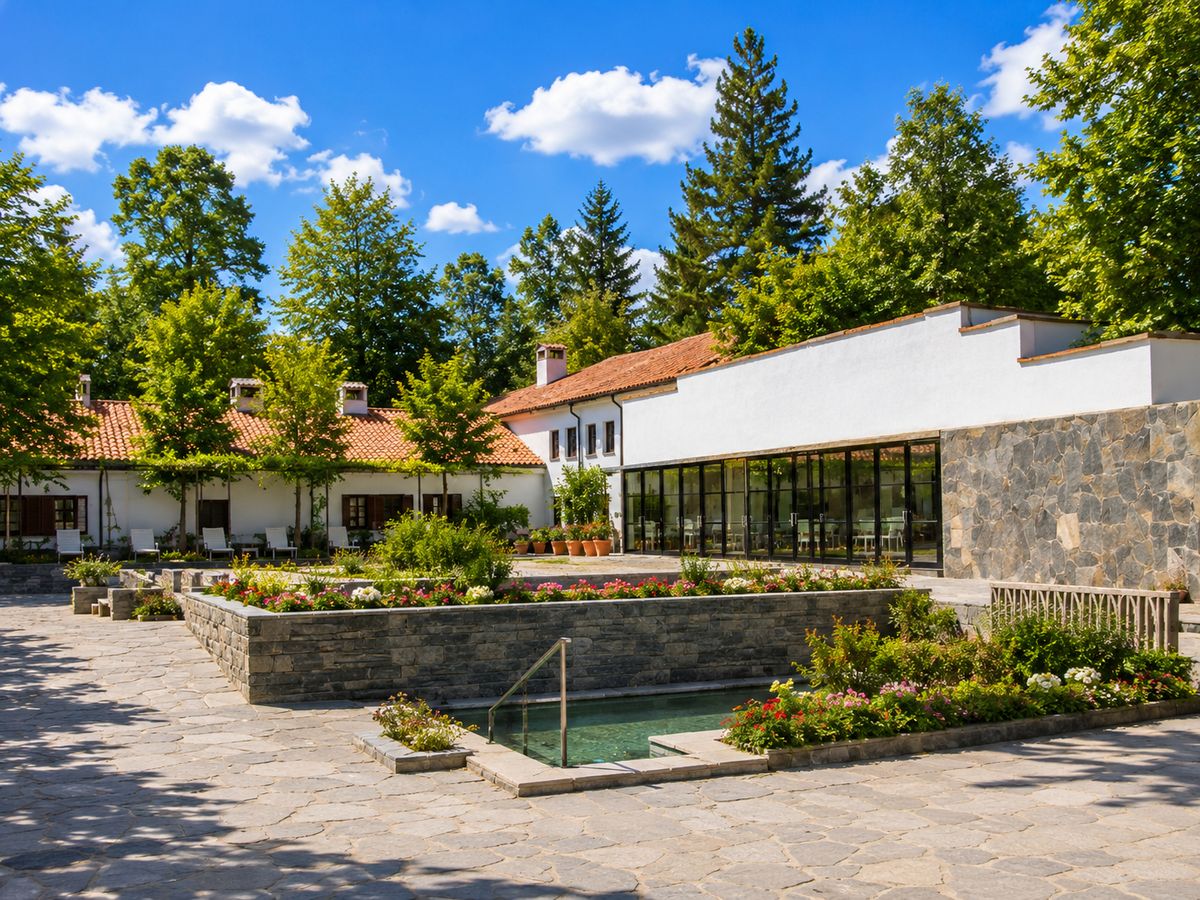
In the town of Banya, Karlovo, there are 2 mud baths that can be visited independently. These are:
1. The mud baths at SBRAL "Banya Karlovsko" - separate for men and women, which is why you must be without swimsuits
2. The mud baths at the "Tsarska Banya" complex - shared for men and women /with swimsuits/
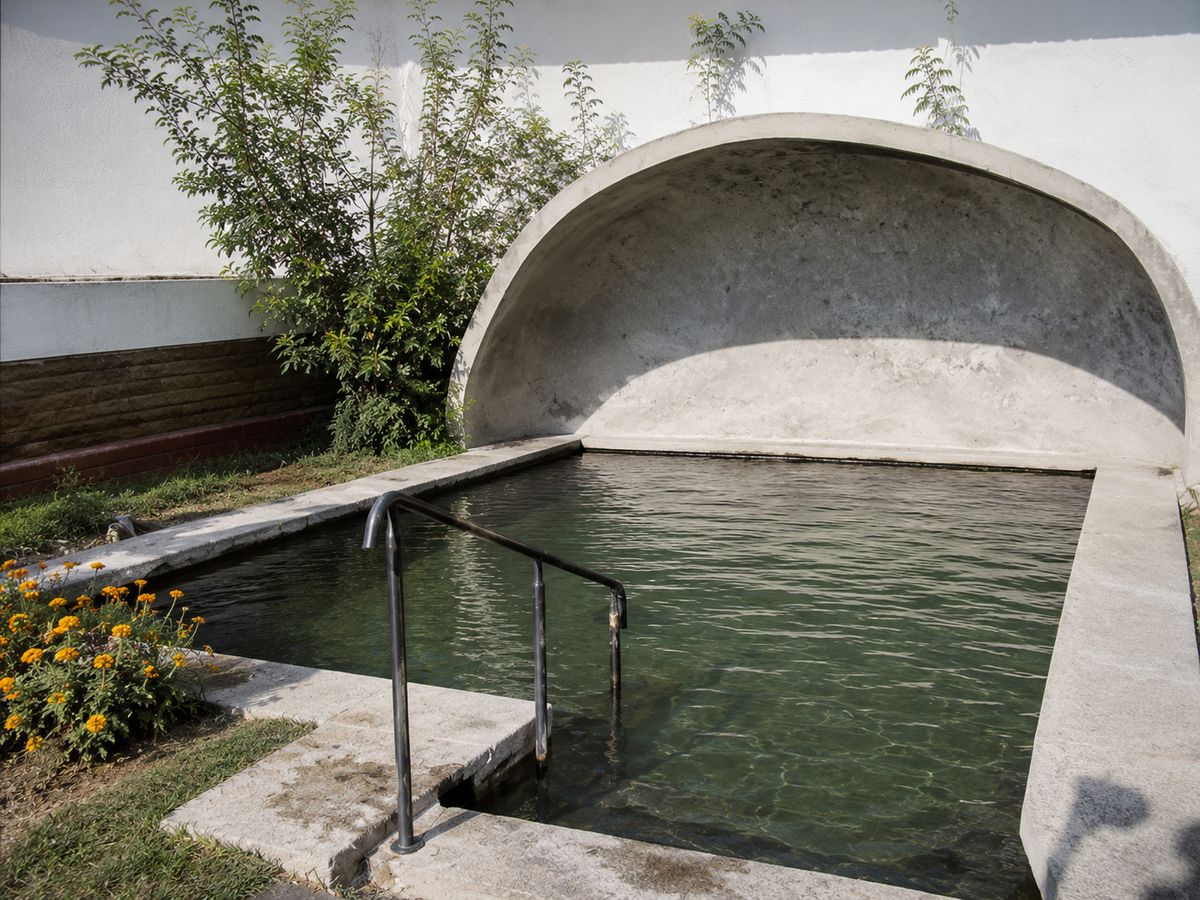
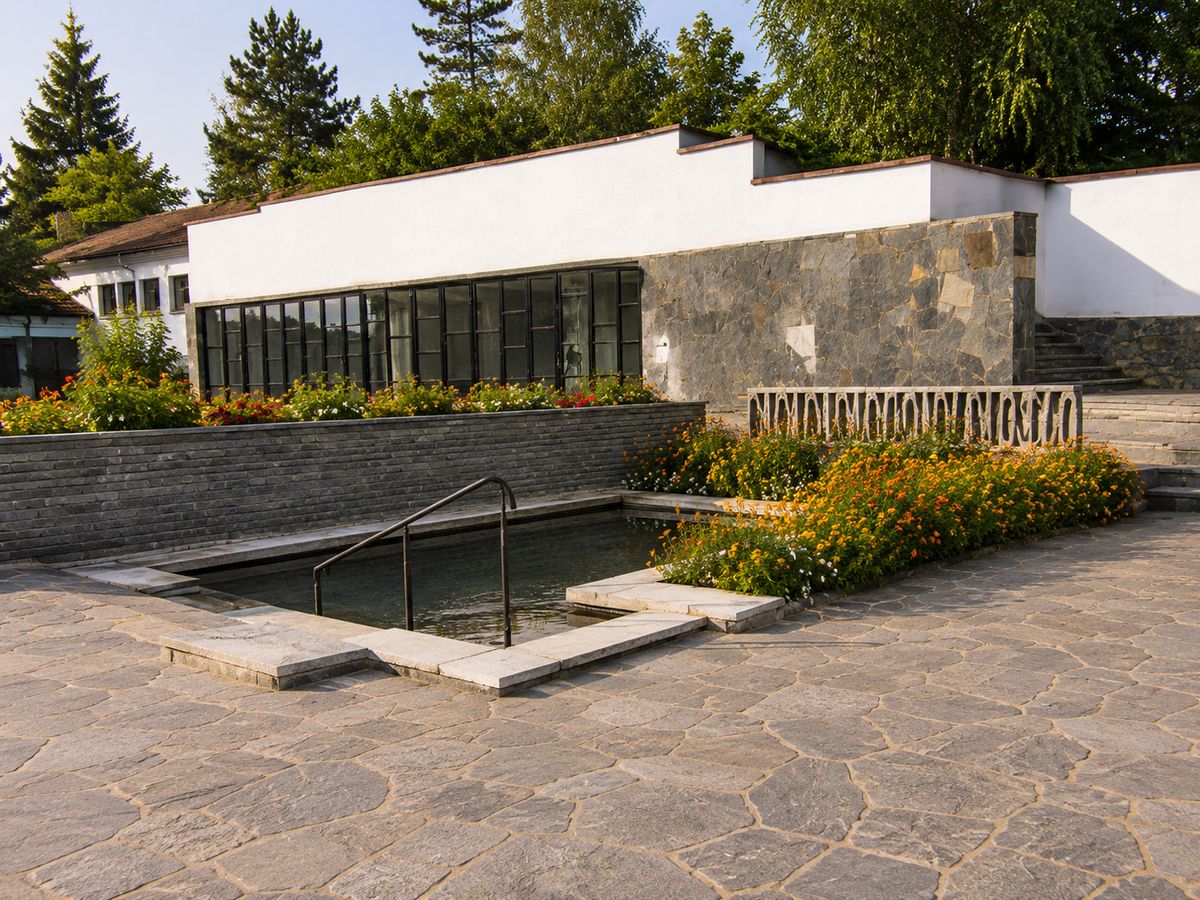
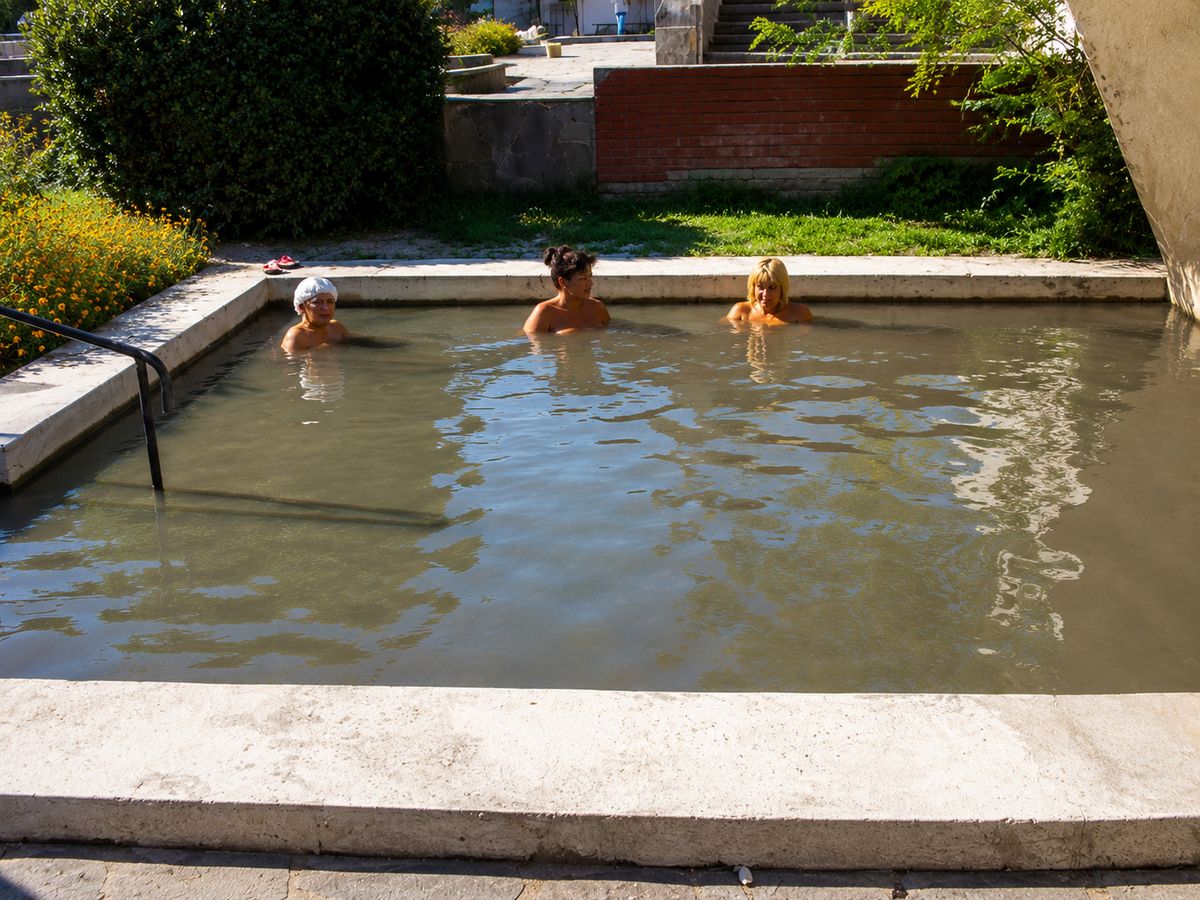
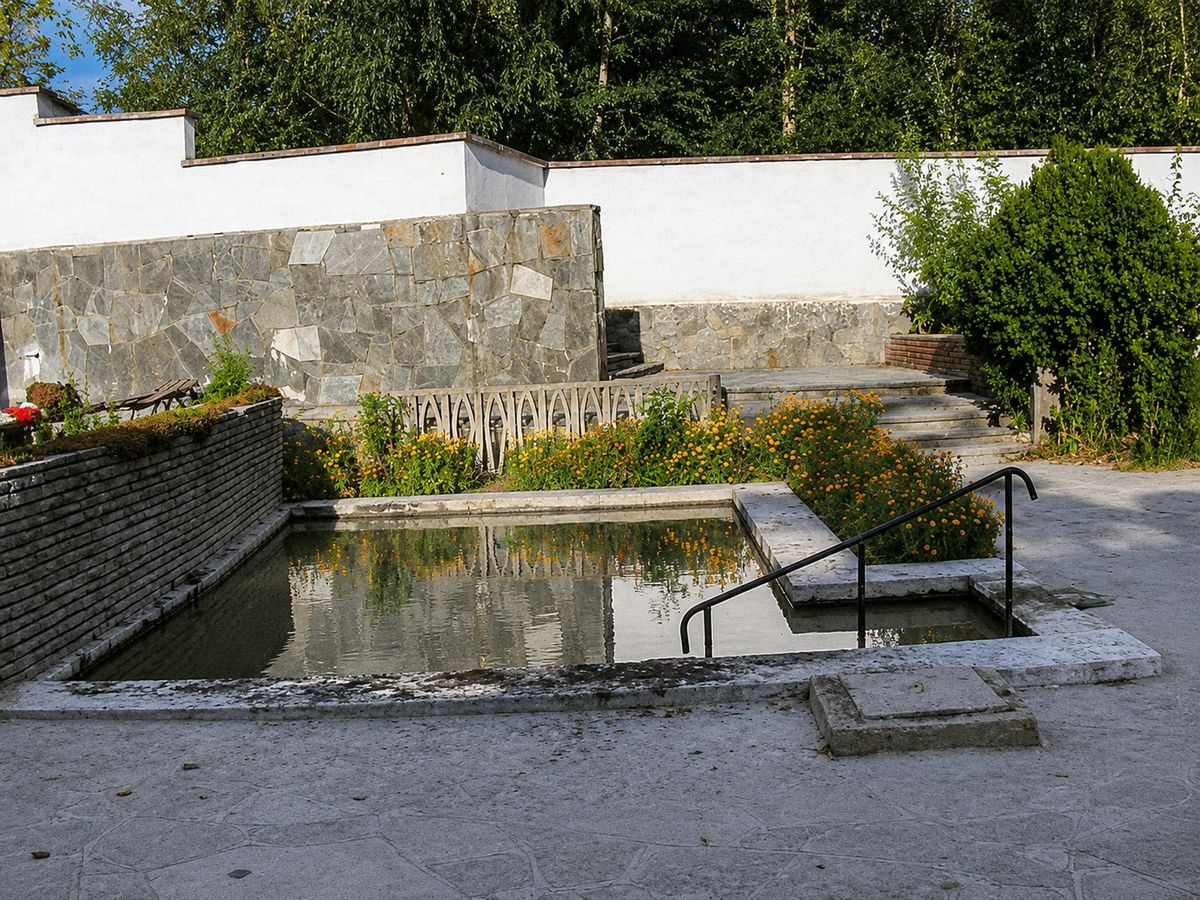
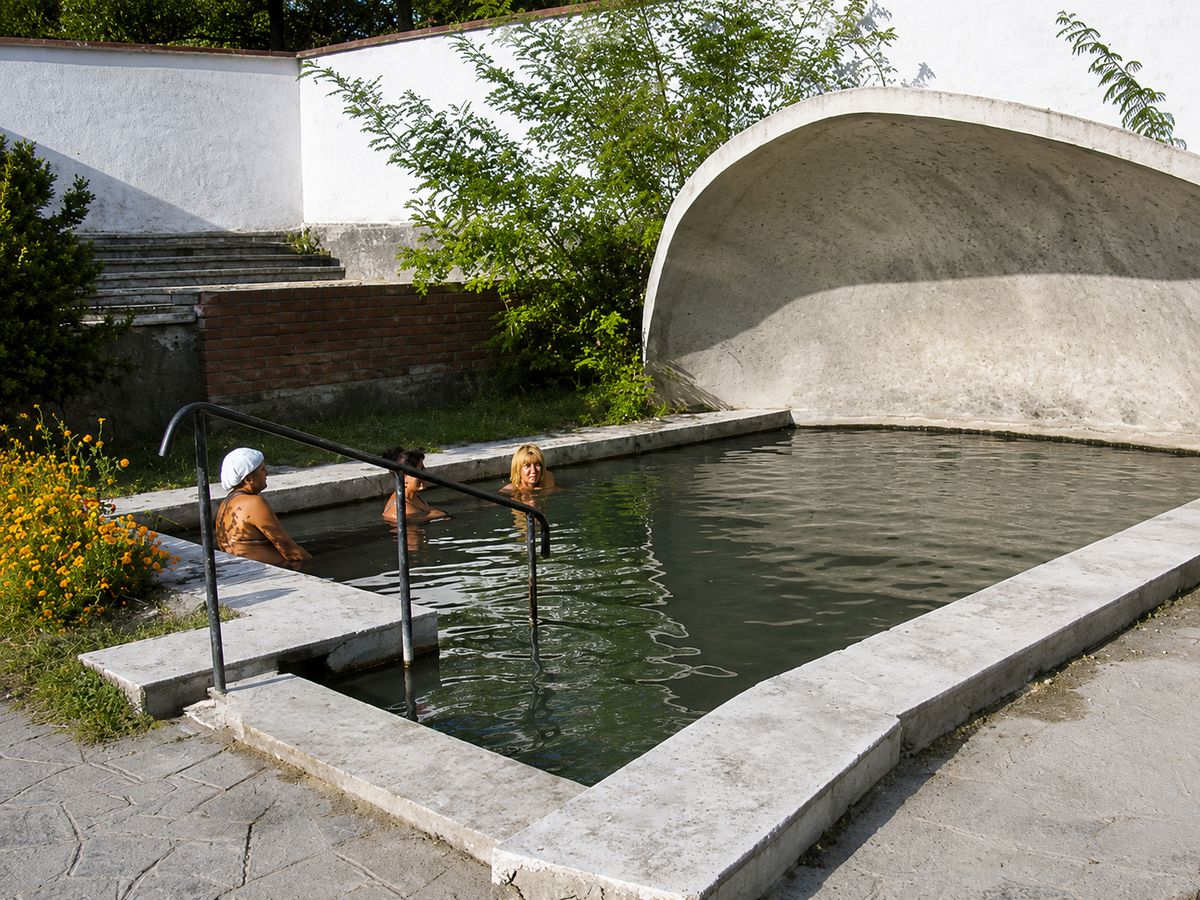
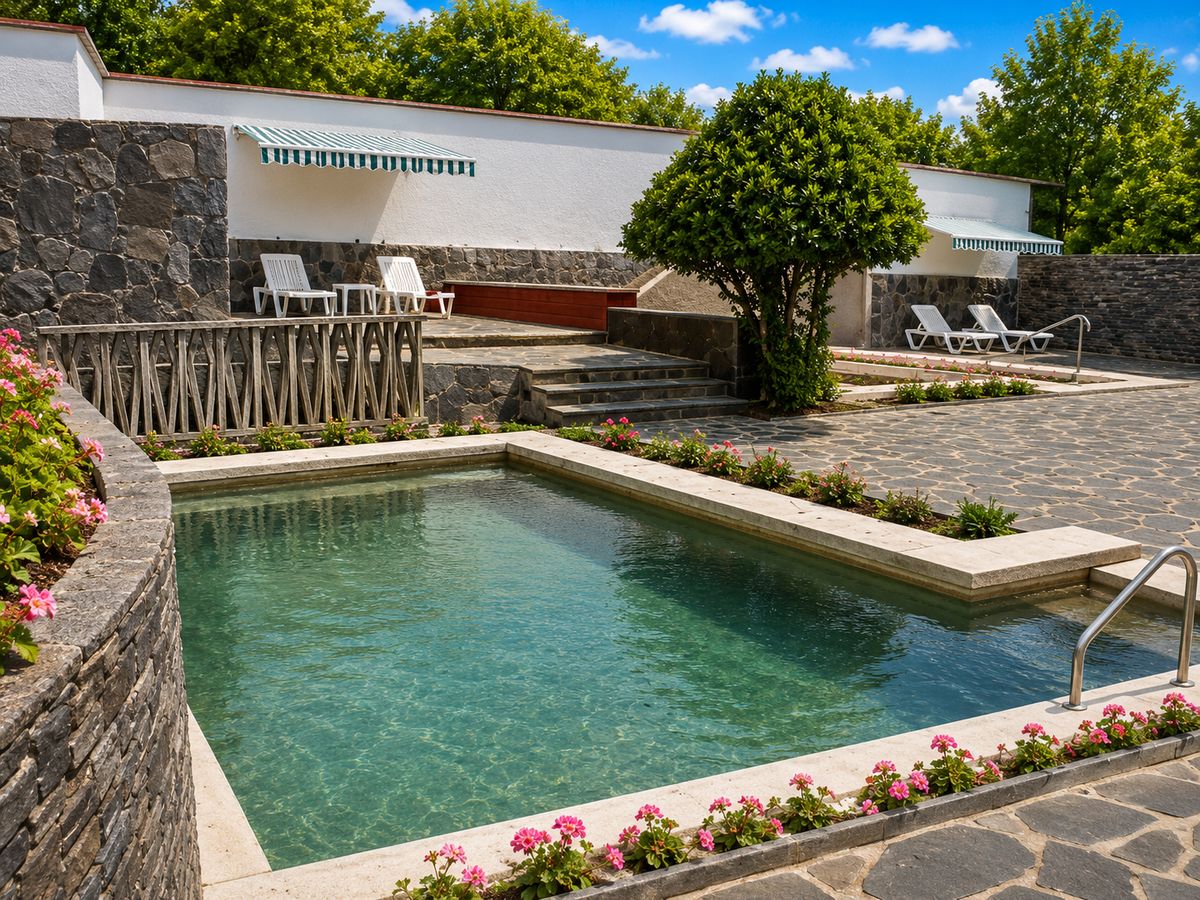
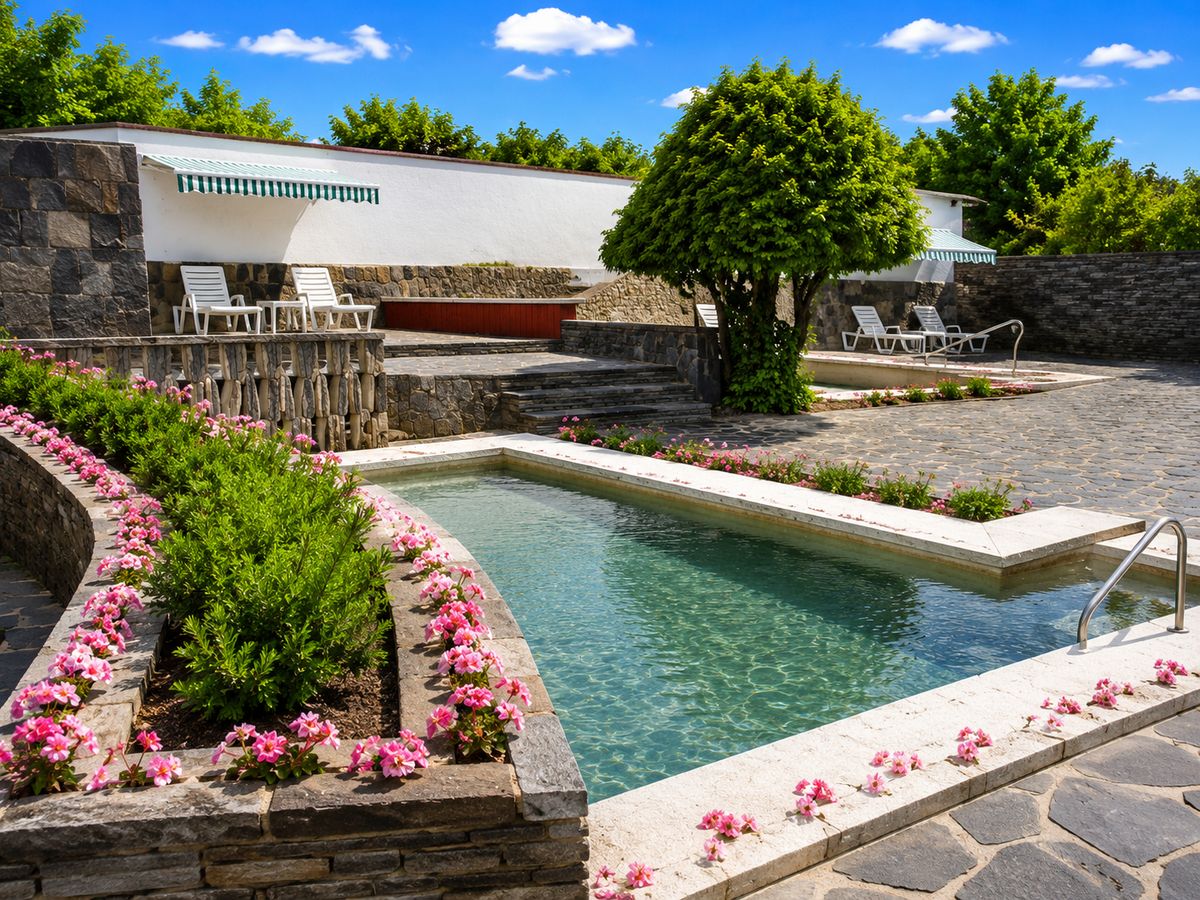
1. The mud baths at SBRAL "Banya Karlovsko" are open-air. They operate from May to September/October/ depending on the weather. In the mud baths there is one pool with clean mineral water, 2 pools with therapeutic mud – one with cooler mud at 37° and the other with warmer mud at 39°, showers and a place where you can lie down and take sun rays.
The mud-treatment areas are two - male and female.
Opening hours and prices: - from May to November from 9.00 to 17.00. Ticket price - 8€ for one visit, card 70€ for 10 visits, which must be made within 30 days., tel.03132/2204.
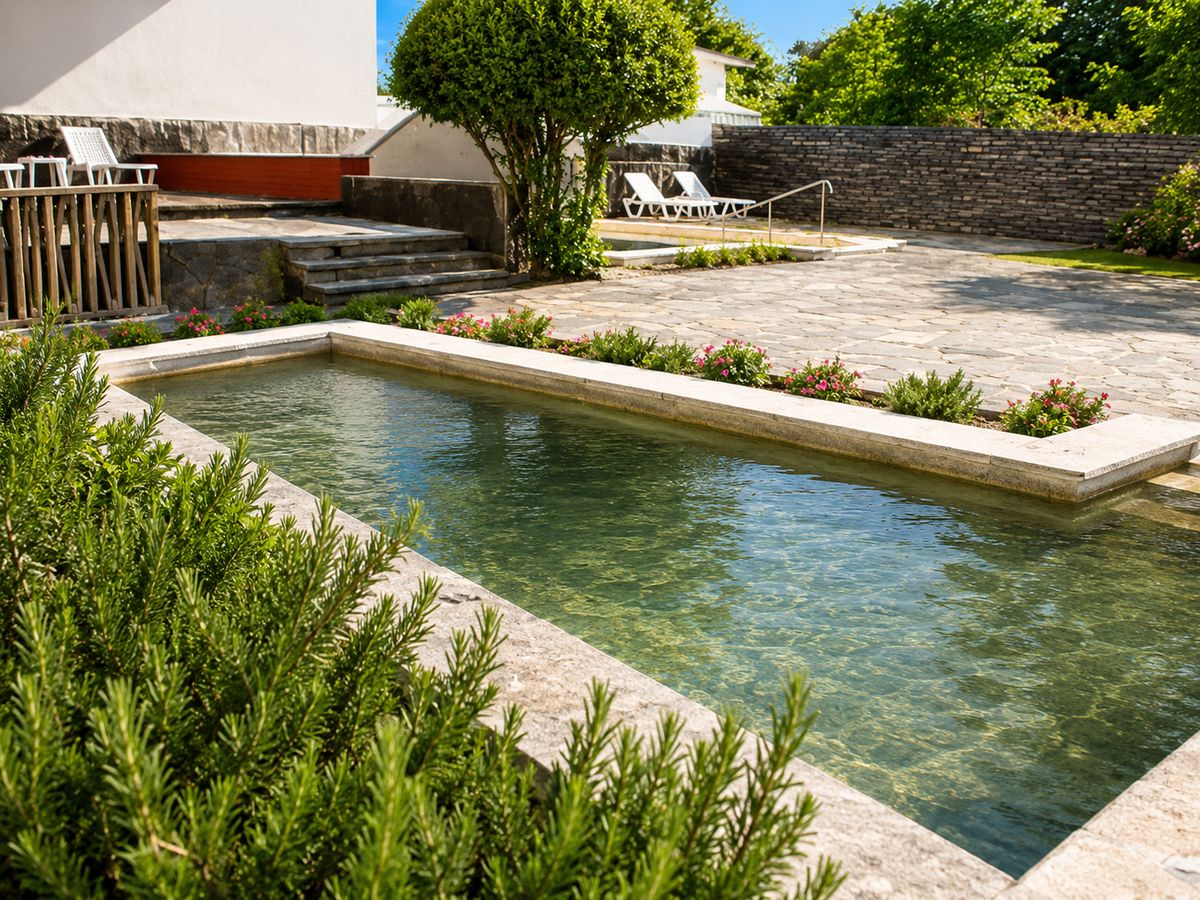
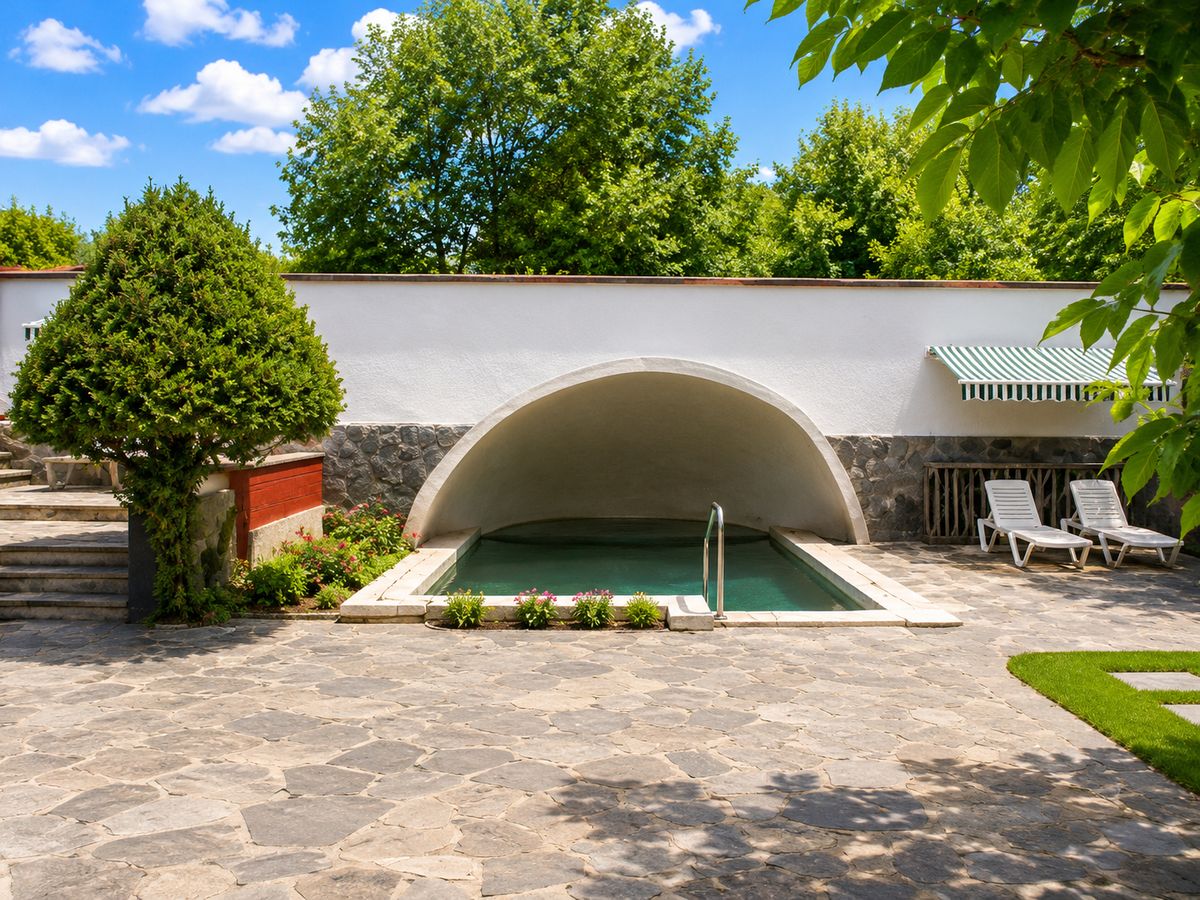
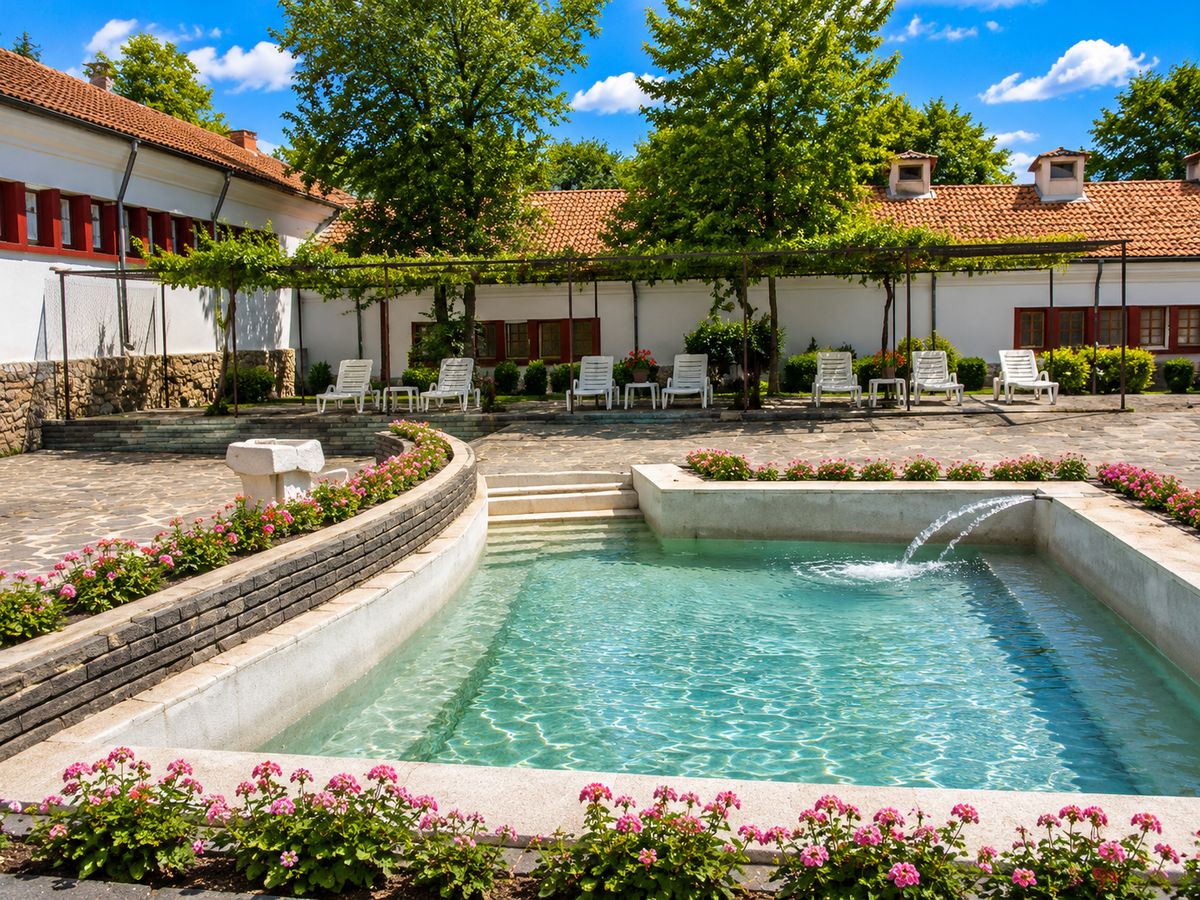
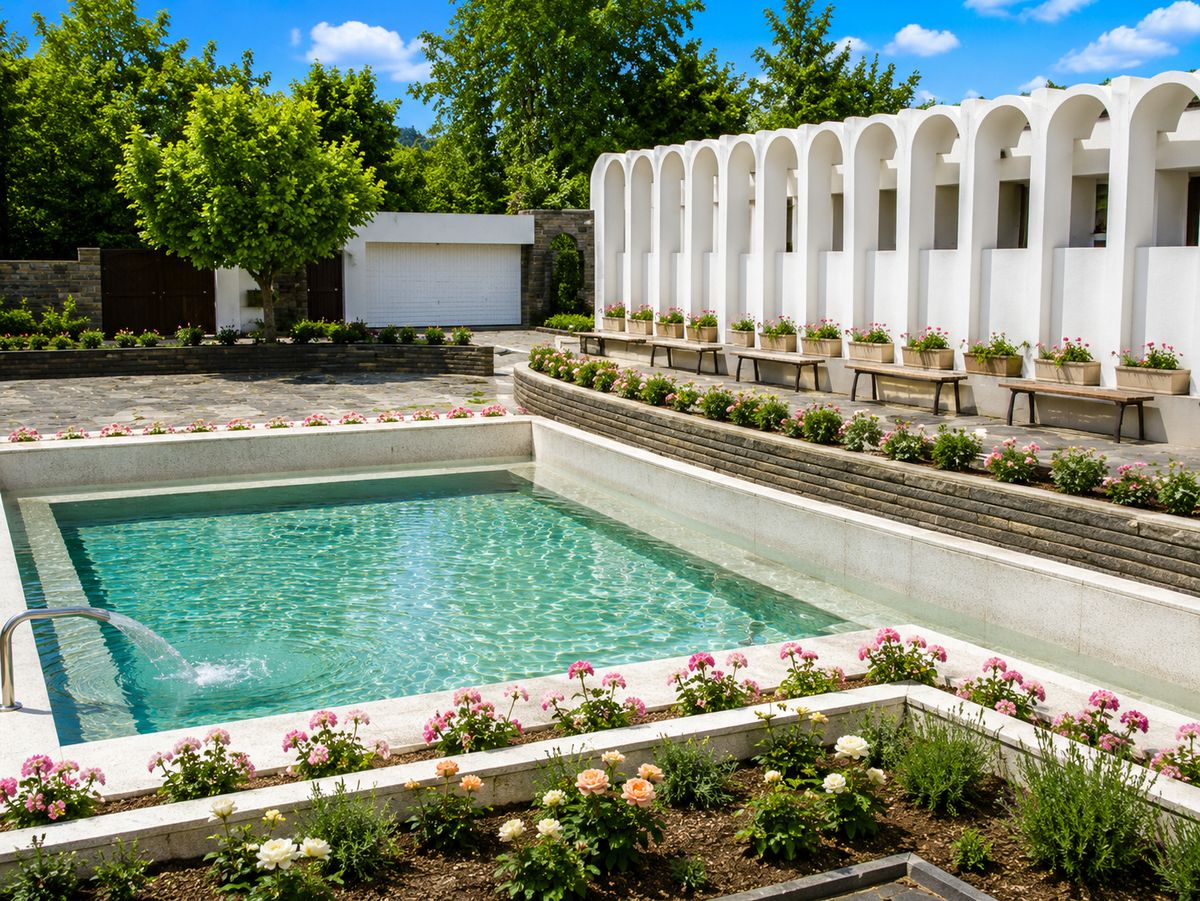
2. The mud baths at the "Tsarska Banya" complex are open-air and operate year-round. They consist of a mud pool, a clean pool with Jacuzzi, showers, changing room. Please check the current prices and conditions on site.
Method of mud therapy in the Mud Baths
In the mud pool, the mud is diluted with mineral water.
You take a shower. Before entering the mud pool, it is good to enter for 10-15 minutes in the clean pool with mineral water, so that the skin pores open. After that you again take a shower and enter the pool with the mud. You stay no more than 20 minutes. On the first day it is good to start with 5 minutes, and gradually during the following days the stay should be increased to 20 minutes. After leaving the mud pool, you again take a shower /without soap/ and rest. The mud pools are two - one is with warmer mineral water, the other is cool. Depending on health condition, body tolerance and air temperature, as well as after consultation with a doctor, the pool is chosen.
The stay in the mud pool should not be more than 15-20 minutes, the course of treatment should be 12-14 baths. It is also good to alternate one day mud therapy, one day treatment in Bancheto Bath.
Sun therapy should precede mud therapy or be done 3-4 hours after the mud procedure.
The mud procedure should be done shortly after a light breakfast, but never on an empty stomach. During mud therapy, many fluids should be taken – juices, water, compotes, soups and more salt in the food, because the procedures cause sweating and dehydration of the body. Drinking alcohol is absolutely forbidden.
In case of overdosing the treatment, worsening of the condition is possible, so you must start again with 5-10 minutes and gradually reach 15-18 minutes.
The tolerance of the procedures in the open-air mud-treatment facility is very good. Here the sun and the air take direct part in the healing process, which is why the effect is more effective /mineral water, therapeutic mud, air, sun/
After the mud-treatment procedure soap should not be used when washing, so as not to remove the mineral mantle formed on the skin from the mud and brine, whose ingredients continue to penetrate the skin and have a neuro-reflex effect during the next 24 hours.
After the mud-treatment procedure it is necessary to lie in bed for 2 hours.
During balneotherapy it is possible to have a balneoreaction. On the 4-6 day of treatment, pains begin in the sore places, and even in others where until now there have been no problems. This is a normal reaction from the mineral water. Relief from the balneotherapy procedures is most often felt one month after their completion. But every organism tolerates mineral water differently and for each person it is strictly individual. In case of more pronounced complaints, it is necessary to seek a doctor's advice.
Physical work and intensive sport are not allowed during balneotherapy, because this leads to overload.
Mud therapy has a positive effect on the following diseases
Mud therapy has proven anti-inflammatory and pain-relieving action and stimulates metabolic processes in the body. It is most effective for the following diseases:
- Diseases of the musculoskeletal system – inflammatory and degenerative joint diseases: rheumatoid arthritis, rheumatism, osteoarthritis, bursitis, tendovaginitis and others, arthroses, arthritis, Bechterew's disease, conditions after trauma and fractures
- Diseases of the peripheral nervous system and spinal cord: plexitis, neuritis, radiculitis, discopathies, disc hernias, polyneuropathies, traumatic injuries of the spinal cord and others.
- Gynecological diseases – ovaritis, adnexitis, metritis, parametritis, infertility and others.
The mud deposit /the peat/
The mud deposit from which the mud is taken is located in Banya in a marshy-swampy area with an area of about 30 decares. It is a peat deposit saturated with mineral water, the thickness of the peat layer is different, from 30-40-50 cm to 1.5 meters. Unlike the Pomorie mud, which is of animal origin, here the peat is organic, of plant-organic origin, enriched with elements from the mineral water. It has a dark brown color, is greasy to the touch, with a slight smell of hydrogen sulfide, contains gases, hormones, antibiotics, vitamins.
Effect of the mud
As a natural product affecting the body through its chemical, physical, thermal, electrical and other factors, therapeutic mud is applied with different concentration, temperature, localization, duration and number of mud procedures.
Locally it acts as a pain reliever and anti-inflammatory. It also accelerates and disperses tissue swelling. The positive influence of therapeutic mud on metabolism and tissue nutrition strengthens tissue regeneration. Gastric secretion is suppressed, which especially applies to hydrochloric acid. During the stay in the mud, heart activity increases by 10-15 beats per minute. The influence on blood pressure is twofold: at first it decreases, then it rises slightly. Through mud therapy, not only a given condition is affected, but also the protection of the whole organism.
The mud procedure can be applied independently or in combination with other natural resort factors – sea /Pomorie/ or mineral /town of Banya/ water, lye, sun, sand therapy, physiotherapy, therapeutic gymnastics, massages, medications.
The treatment method is determined according to the age and condition of the patient – condition of the nervous and cardiovascular systems /blood pressure/.
When mud baths act, the chemical factor of the mud is especially important, because skin resorption of water-soluble chemical substances from the brine and dissolved mud is more pronounced. The changes that occur in the body during mud therapy are more intensive, and the therapeutic results in joint patients are better compared with those treated with mud applications. They are especially suitable in the presence of osteoporosis, in subacute conditions with pain syndrome and in all cases when mud therapy with indifferent temperature 36-37°C is required
Its composition is close to the water that passes through the same layers. But in the mud, besides sulfur and hydrogen, there are many hormones and minerals, such as those put in food supplements for example. The deposit is located next to the old sanatorium.
The mud is contraindicated in varicose veins, elevated temperature, bleeding, infectious diseases, acute inflammatory process, acute stage of all diseases, malignant tumors, malignant and other severe anemias, severe exhaustion regardless of the cause, condition after myocardial infarction, condition after brain stroke /hemorrhage/, frequently bleeding stomach and duodenal ulcer, nephritis and neuroses, hypertensive disease stage III /according to Lang/, cardiac decompensation II and III degree, angina pectoris, severe lung disease, active tuberculosis, lung abscess, pneumosclerosis and bronchiectasis, pregnancy, mental illnesses, varices. It is also contraindicated in proven osteoporosis, because it prevents the accumulation of calcium in the bones. In such cases other procedures are done – massage, water procedures, physiotherapy. Lye can also be used.
Thanks to the resources in Banya, treatment is done in a combination of water and mud. The effect is best when a “bouquet” of 4–5 procedures is applied: with mineral water, mud, physiotherapy, massage and suitable gymnastics.
Rehabilitation is also very important for people with disc hernia - operated or not, or with problems after fractures for movement. Improvement comes after a minimum of 8–10 procedures.
For the stay to have an effect, specialists recommend that the stay in Banya be at least 10 days.
More about mud therapy - a method in which therapeutic mud /peloids/ is used for healing purposes.
Mud therapy has been known since deep antiquity, but its scientific explanation came only in the 19th century. Therapeutic mud is a natural healing product with inorganic and organic composition, formed with the participation of geological and biological processes in the earth, under the active influence of physical-geographical factors – climate, soil, relief, hydrology, vegetation and animal world. Therapeutic mud is a complex heterogeneous system, composed of: liquid phase /water with electrolytically dissociated salts/ and two solid phases: crystalline skeleton /silicates, clay, gypsum, humus, salts and others/ and a colloidal complex of organic and inorganic substances.
Depending on its composition, origin and action, therapeutic mud is: inorganic /mineral/, peat, artificial, clay and others.
In the town of Banya there is a peat deposit saturated with mineral water. Here the peat mud is formed from the soil and decayed vegetation under the mineral water in the absence of oxygen.
Chemically, the peat in the town of Banya consists of mineral water, inorganic ingredients, organic and estrogenic substances and mainly of plant-organic origin. It has a dark brown color, greasy to the touch, with a weak smell of hydrogen sulfide, dough-like consistency, relatively low specific weight, greater heat capacity /high heat capacity/ and lower thermal conductivity. It has significant hygroscopic and absorption properties, with neutral or slightly acidic reaction /pH 1.5-2/. Besides the other properties, it has been established that it contains gases, hormones, antibiotics, vitamins and others.
The physiological, as well as the therapeutic action of therapeutic mud, is determined by the interaction of a number of factors:
- thermal - Peat, because of its low thermal conductivity and high heat capacity, applied on the human body, keeps its temperature for a long time, which is usually 39-42°.
- chemical - The ions of the organic acids from the peat act as biological stimulators. The action of therapeutic mud is carried out by neuro-reflex and humoral pathways, as a result of which changes in a positive direction occur in the different organs and tissues – disturbed functional and pathological conditions are normalized.